
Big Design Up Front Is Responsible Again
Agile taught us to avoid big design up front. That was the right call — for the constraints we had. Those constraints are gone, and I think the advice inverted.
Here’s why we avoided it. Two things were slow and expensive: writing the spec, and building the software. Both were done by hand. So a detailed upfront design was a large bet you couldn’t easily change, written before you knew if it was right. The sane response was to write less of it, ship a thin slice, and learn by building the wrong thing first. For twenty years that was the responsible move. I’ve shipped plenty of thin slices that discovered the wrong product — expensively — and called it agility.
AI deleted both of those costs.
Last week I designed a whole application before writing a line of it. Not a napkin sketch — a complete, traceable spec: stakeholder needs, system requirements, architecture with sequence diagrams, down to component-level tickets. Then it was rendered into a narrated video walkthrough with real UI screens, and I handed that to the customer to review. Pause, draw on a frame, leave a voice note.
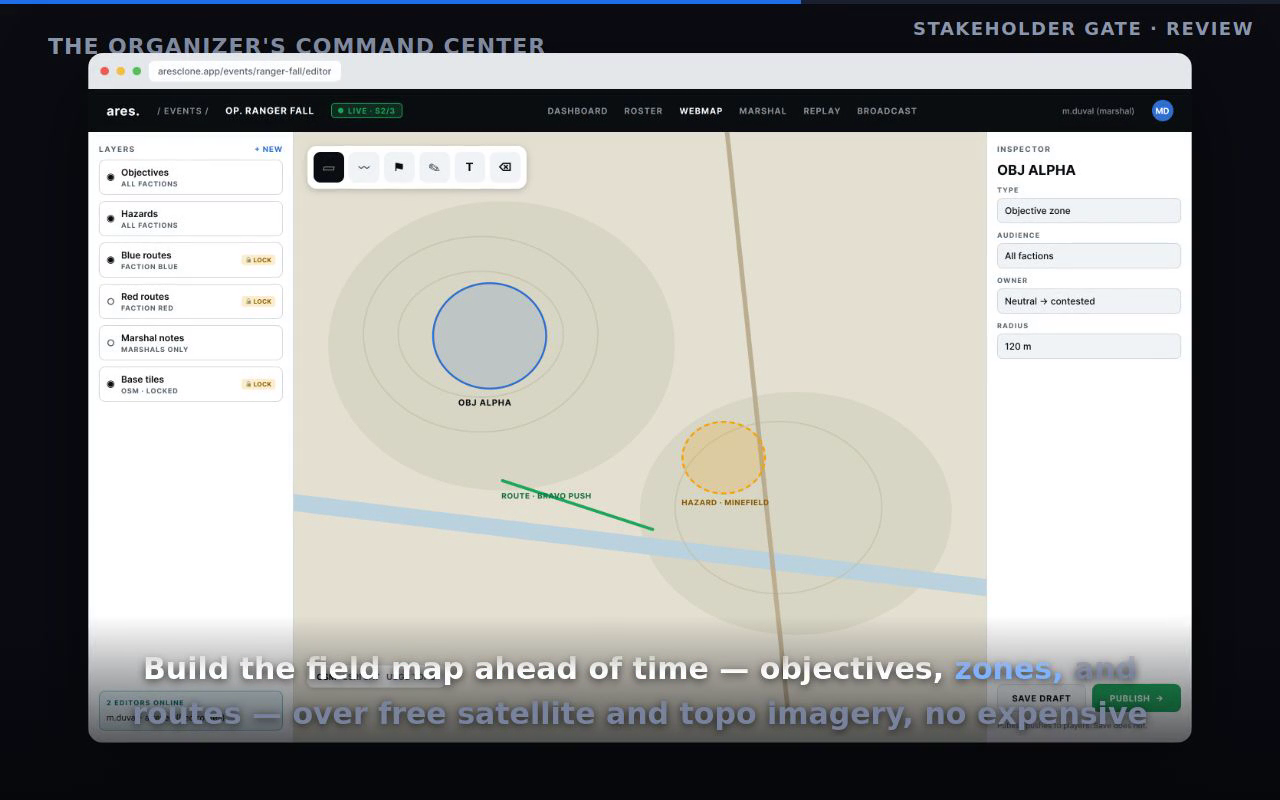
Writing that spec used to take weeks of typing. It took hours. Building a throwaway version just to get real feedback used to be the only option. Now I get feedback on the design itself, at full fidelity, before building anything.
The part that matters: this is not waterfall. Waterfall failed because the big upfront design was unvalidated and expensive to change — by the time reality showed up, you were committed. Flip both of those. The design is now cheap to produce, cheap to change, and cheap to validate: render a new video, get feedback, re-render. That is big design up front with a tight feedback loop — the thing waterfall couldn’t afford and agile gave up on.
Put it in a grid. Waterfall: expensive to produce, expensive to change. Agile: so skip the design. What we have now: cheap to produce, cheap to change, cheap to validate. Different quadrant. Different rules.
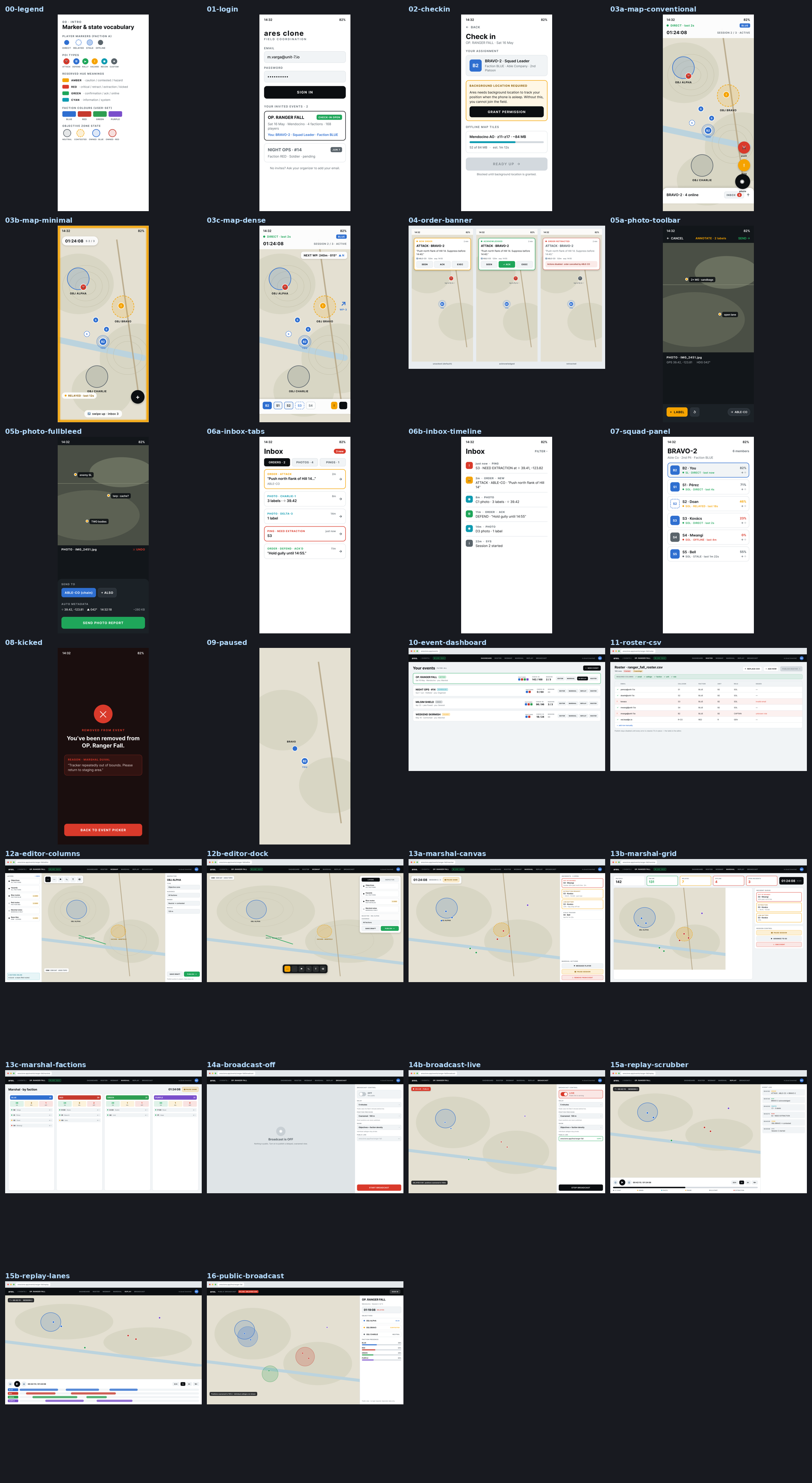
So where did the bottleneck go? It was never typing. It was typing speed — for specs and for code — that forced us to go slow and iterate. The model writes specs at the speed of light and builds at the speed of light. The only scarce thing left is judgment: deciding what’s right, and getting the humans aligned before you commit.
Spend your time there. Do the design work you’ve been skipping since 2005 — you can finally afford it. Refine it. Review it properly, with people who aren’t going to read a forty-page doc but will watch a five-minute video and tell you it’s wrong. Then let the model build it.
Concretely, the loop I’m running now:
- A living spec that deepens by level — stakeholder need, system, architecture, components — each traceable to the next.
- Every level rendered into a narrated review video, approved before the design goes deeper.
- The final design compiles to tickets.
- The model implements; you verify against the spec you already agreed on.
The responsible move in 2026 isn’t “move fast and iterate.” It’s get it right, then let the machine move fast.